


Web application for Fuel Movement Registration between states and vendors
Petroleum Tax Tools was founded to simplify a notoriously complex corner of the US fuel industry: the movement of fuel between states and vendors, and the tax and licensing obligations that follow it. Their users are trading partners, transporters and state fuel tax agencies.
An earlier attempt at building the product had not delivered what the founders expected, so they engaged us first to audit the existing code. With that assessment in hand they needed a partner able to take the project over completely: a web application robust enough for regulated processes, and a market presence to launch it with.
In a nutshell
A complete tool streamlining communication between trading partners, transporters and state fuel tax agencies, automating the enrolment of fuel loads and licensing in one system. The engagement began with a code audit of existing work and grew into a lasting partnership covering development, launch, maintenance and support, built on AWS, Java and React.
Challenges
The founders of Petroleum Tax Tools initially came to us for something narrow: an audit of the code that had been written so far. The review showed the existing results were not meeting their expectations, and on the strength of that assessment they decided to hand the entire development of the project to our team.
What they needed was a web application with an infrastructure capable of handling every procedure and operation running between vendors, in a domain where accuracy is not optional because tax reporting depends on it. Alongside the application itself, they needed a landing page for a product that was new to the market and tailored closely to its requirements.
Our approach
The audit in October 2019 did more than surface problems – it produced a clear outline of what the project should become. The full collaboration began in January 2020, and knowing exactly what was missing let us move quickly: we gathered the remaining information about scope and the features that had to be part of the design, created the backlog, and put our designer on UX while development got underway. The MVP was delivered three months later.
From there the work continued as a partnership rather than a handover. Working closely with the founders, we developed further features and took full responsibility for maintaining the product. Satisfied with how the collaboration was running, they later entrusted us with setting up their inbound marketing operations as well.
Starting from an audit rather than a rewrite
Beginning with a code review changed the economics of the whole project. Instead of committing to a full rebuild on an assumption, both sides had an evidence-based picture of what existed and what it was worth keeping. That is why the MVP could be delivered in three months: the scoping work had effectively been done before the contract for development was signed.
Outcomes
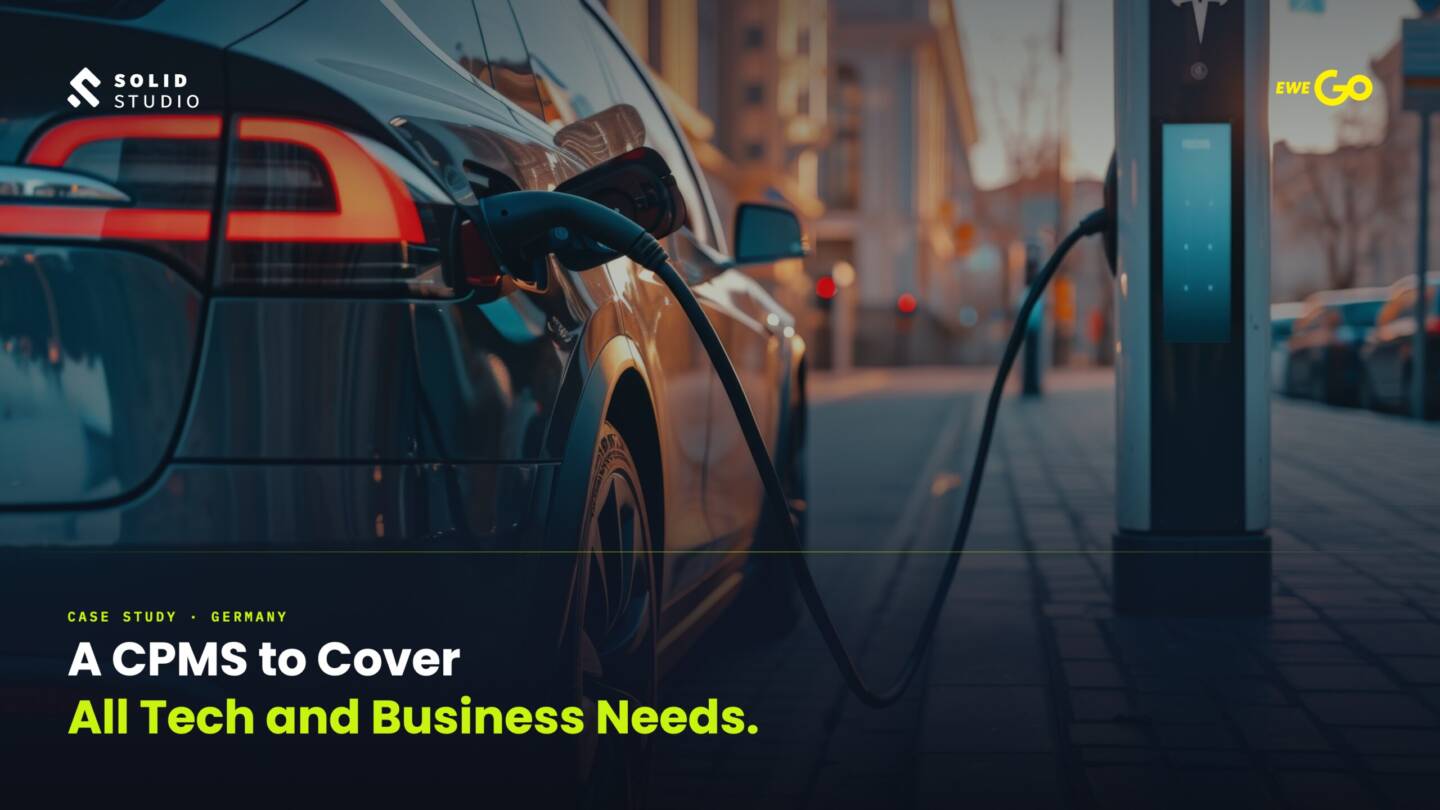
EWE Go, one of Germany’s leading e-mobility operators, partnered with Solidstudio to upgrade their infrastructure with a flexible, high-performing Charge Point Management System tailored for rapid public network expansion and future fleet management. Solidstudio delivered the core CPMS platform along with custom feature extensions, charge point migration and now holds ongoing support via SLA

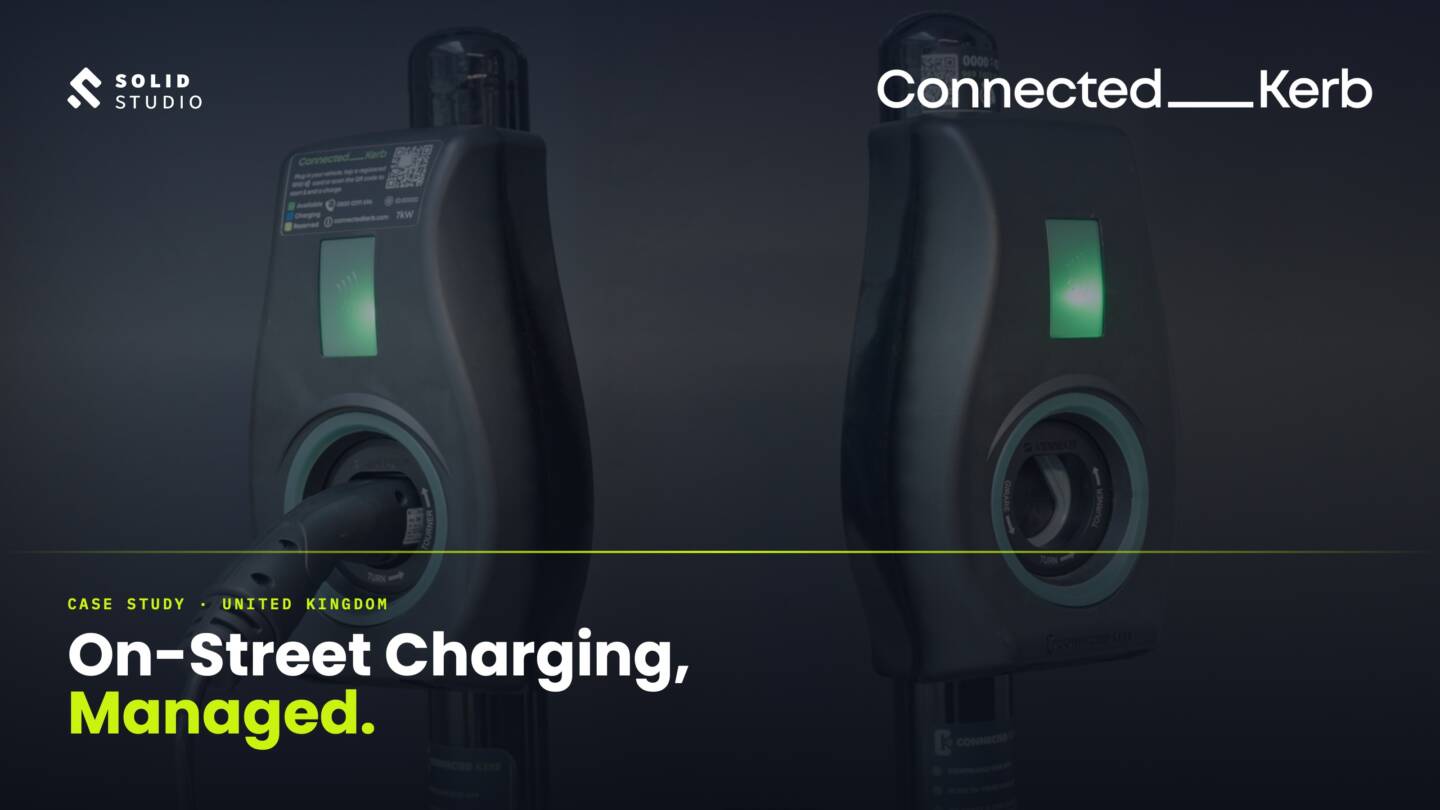
An advanced migration to our CPMS system backed by custom development and ongoing maintenance. Migration involved 9000 charging points. A particularly complex aspect was ensuring the integration of the current EMP system, including mobile app users and the OCPI partners already connected.
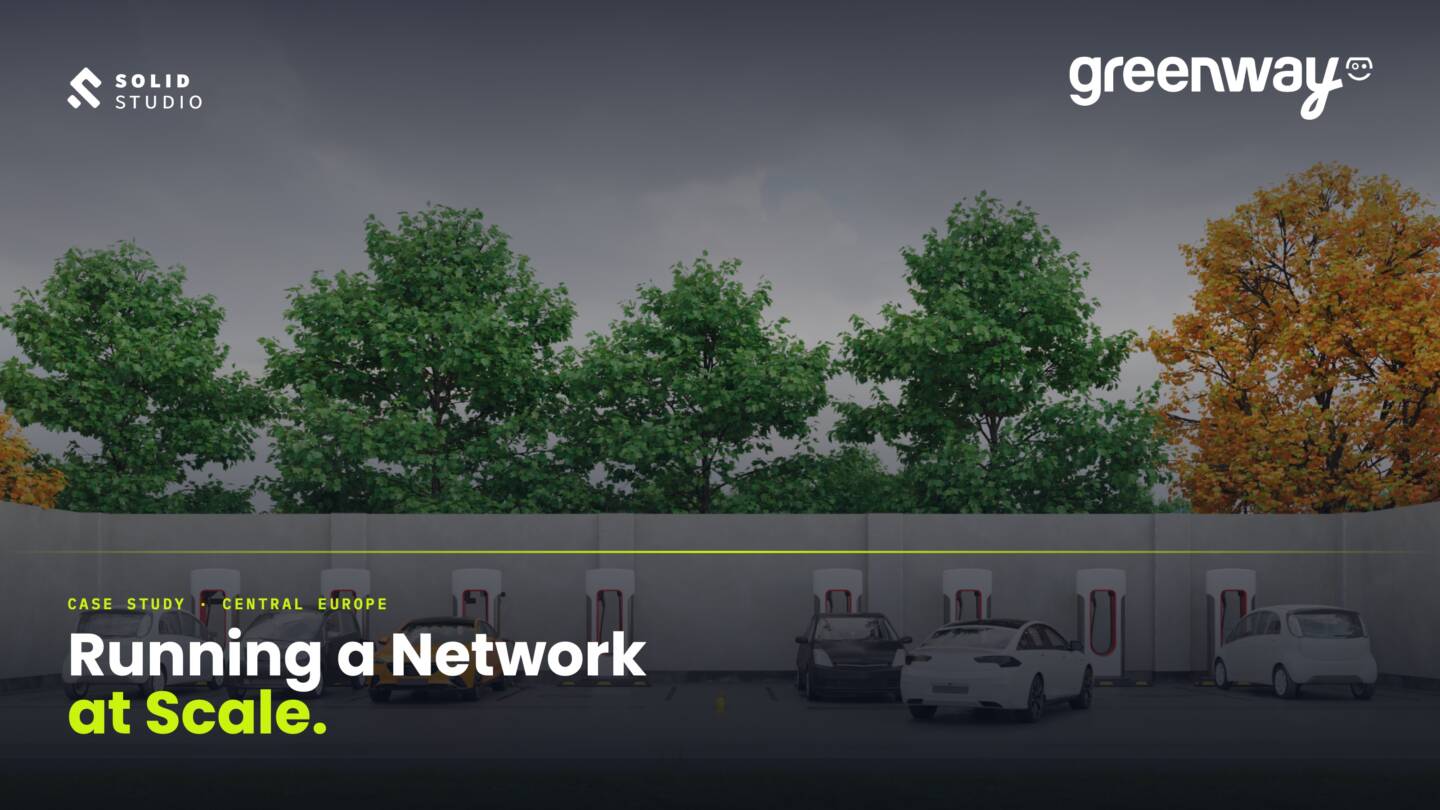
Comprehensive custom CPMS system and effective migration, seamlessly integrating with GreenWay’s existing digital ecosystem to future-proof their high-volume EV charging network across the CEE region.