


Mobile application allowing for the home charging with a portable charger
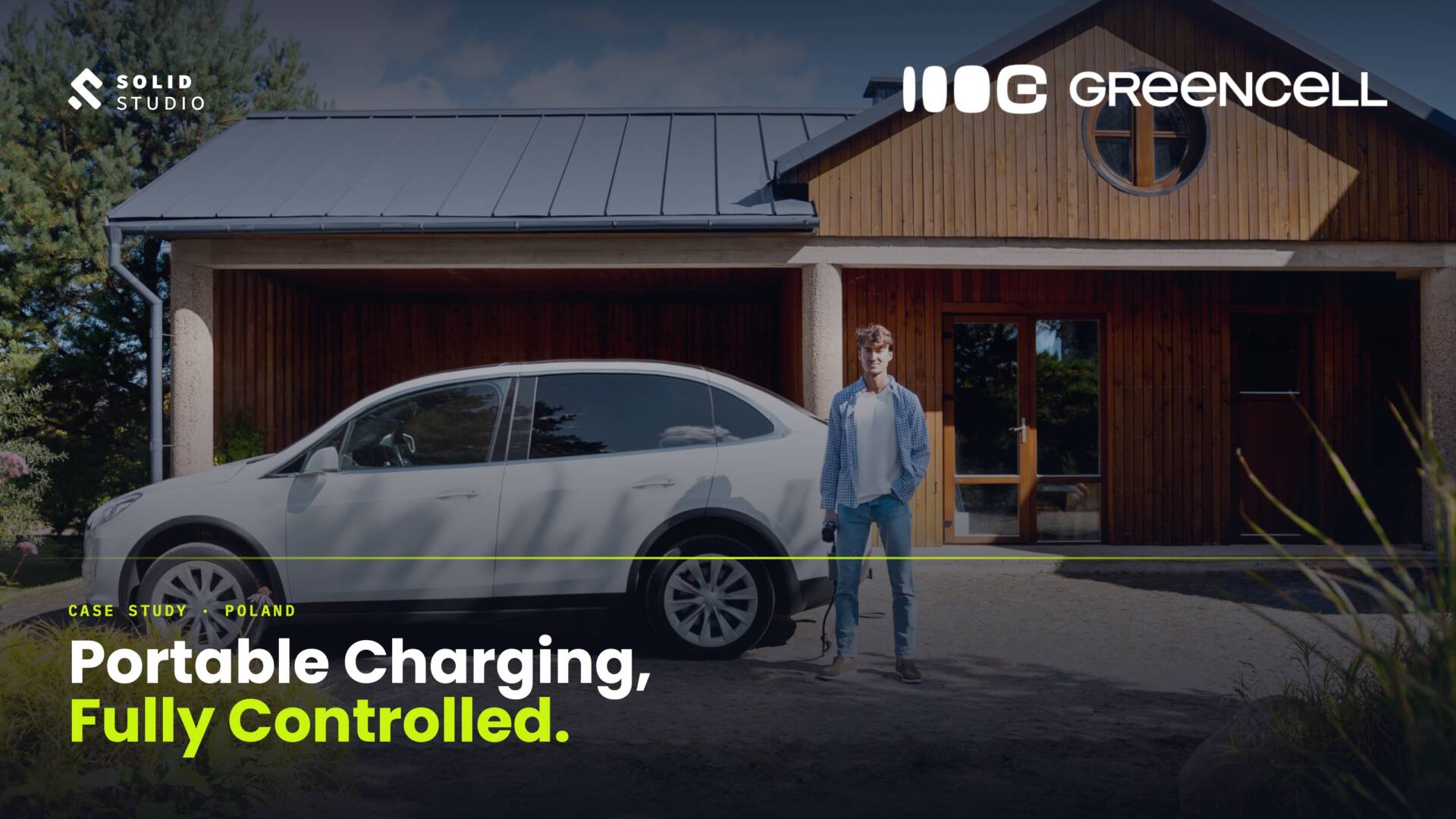
Green Cell is a Polish manufacturer of power electronics and energy products, with a portfolio spanning chargers, power banks and energy storage sold across Europe. Habu, a portable EV charger that fits in a car boot, marked their entry into electric mobility.
Hardware alone was not the product. To make Habu genuinely useful, drivers needed to control charging, configure the device and follow their usage from a phone. Green Cell also wanted the software to be the first step of a wider home charging ecosystem, so the application had to support additional devices arriving later without being rebuilt.
In a nutshell
A mobile application with a backend system for managing and controlling Green Cell’s devices, laying the foundation for a home charging ecosystem. The MVP focuses on Habu, a portable EV charger that can be operated remotely from a smartphone, covering charging process management, device configuration and an advanced statistics system.
Challenges
Green Cell approached us with a project we were glad to take on, not least because opportunities to work with fellow Polish companies do not come along often. The collaboration opened with requirements and needs analysis, followed by technical discussions on application architecture, AWS infrastructure and integration with the device over MQTT. Once the proposal was accepted, our backend work began.
The UX process ran in parallel. Our designer started with extensive research, which quickly turned into close collaboration between the two teams, with Green Cell later taking over UX and UI and finalising the design on the foundation we had built. Once the design was approved, two React Native developers began mobile development, supported across the project by a tech lead, project manager, backend developers, DevOps and a designer.
Our approach
The defining challenge was that we were not building an app for a single device. Habu came first, but the product had to become the entry point to an entire ecosystem, with more devices arriving later. That meant designing for extension from the beginning – without constraining Green Cell’s freedom in UX design or forcing architectural compromises later.
We treated scalability as a requirement of the MVP rather than a later refactor. The result is a product that can absorb new device types as they appear, giving the client room for business expansion without having to reach for a different solution once the ecosystem grows.
Building against hardware that was still evolving
Habu was not a finished product when we started – it was still deep in R&D. Green Cell was implementing the device firmware at the same time as we were building the backend and the BLE integration. Working against a moving target required tight coordination between the software and hardware sides and an integration layer that could tolerate change on the device end without destabilising the application.
Outcomes
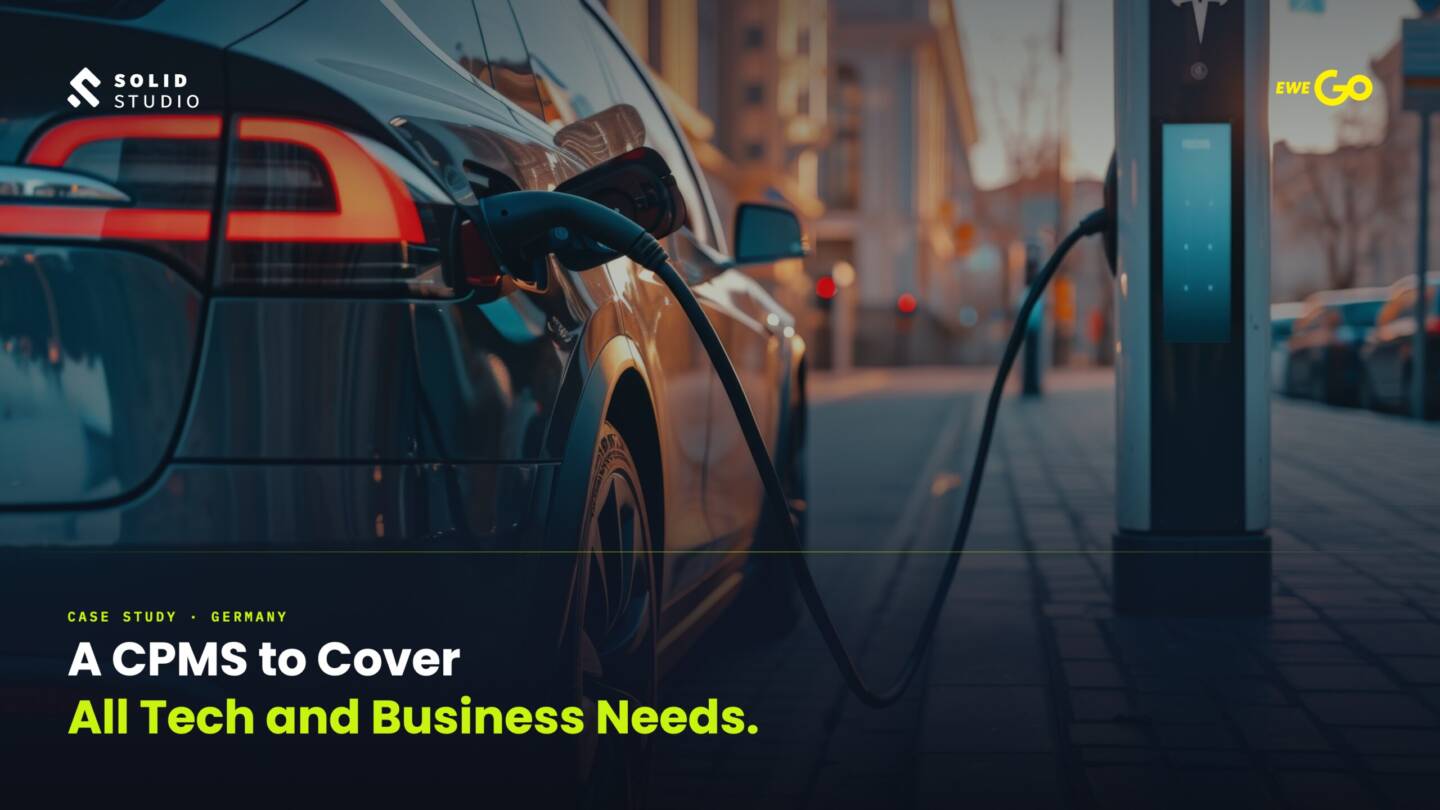
EWE Go, one of Germany’s leading e-mobility operators, partnered with Solidstudio to upgrade their infrastructure with a flexible, high-performing Charge Point Management System tailored for rapid public network expansion and future fleet management. Solidstudio delivered the core CPMS platform along with custom feature extensions, charge point migration and now holds ongoing support via SLA

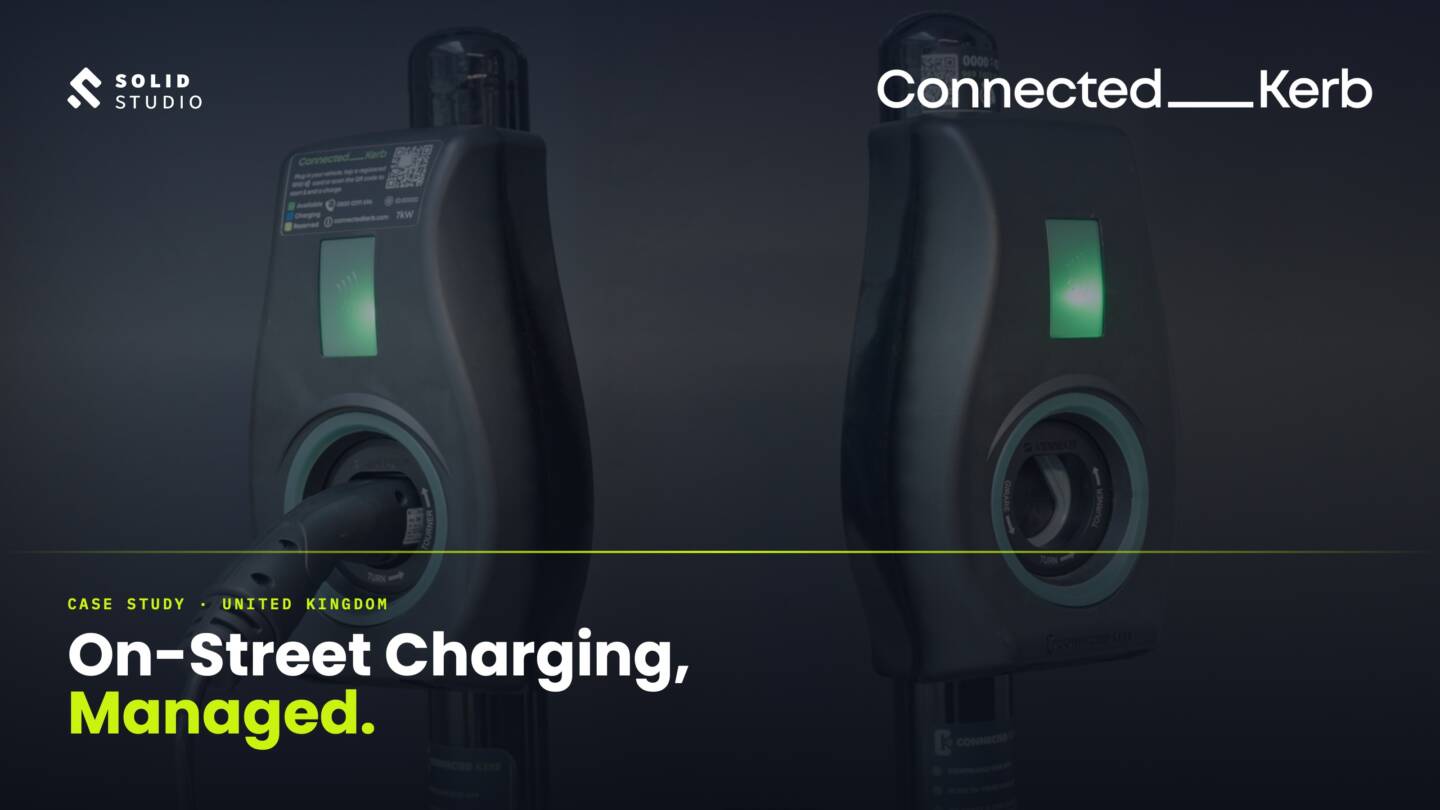
An advanced migration to our CPMS system backed by custom development and ongoing maintenance. Migration involved 9000 charging points. A particularly complex aspect was ensuring the integration of the current EMP system, including mobile app users and the OCPI partners already connected.
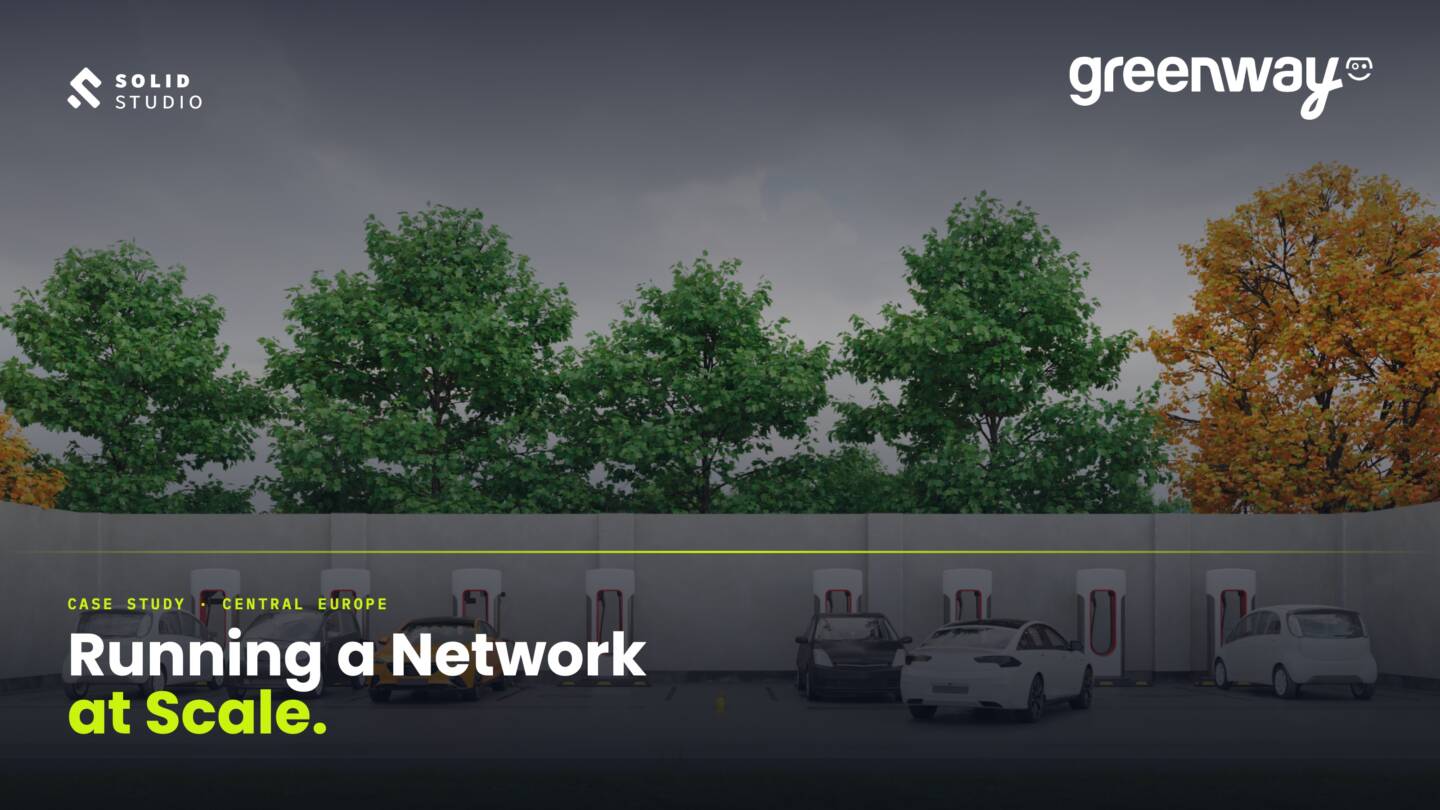
Comprehensive custom CPMS system and effective migration, seamlessly integrating with GreenWay’s existing digital ecosystem to future-proof their high-volume EV charging network across the CEE region.