


Globally integrated backend API for better decision making

GrandVision is a global eyewear retailer operating under a range of retail banners including Vision Express, For Eyes, Apollo-Optik and Générale d’Optique, with stores across dozens of markets.
That structure creates a data problem. Sales and operational information sits in different systems, formats and countries, which makes group-level analysis, customer segmentation and direct marketing far harder than the size of the business suggests. They were looking for a technology partner able to design and build a tool that unifies it all, and senior enough to take the initiative rather than wait for detailed instruction.

In a nutshell
A backend API collecting, structuring and processing sales data from branches worldwide, giving a global eyewear retailer a single foundation for business analysis, customer segmentation and direct marketing. Delivered by a dedicated team of senior backend developers and extended region by region.
Challenges
Grand Vision operates internationally under a range of retail banners including Vision Express, For Eyes, Apollo-Optik and Générale d’Optique. They were looking for a technology partner capable of building a complex tool to gather all relevant sales and operational data across the corporation, regardless of which country or banner it originated from.
The scale of the undertaking set the bar for who could deliver it. Beyond seniority and technical depth, the project called for a partner willing to take the initiative rather than wait for instruction – a team that would shape the architecture rather than only implement someone else’s.
Our approach
In the early stage we worked side by side with the client’s own people, developing the main communication interfaces between the project’s components. Getting those right first meant business units interested in the application could start using the system directly while the wider build was still in progress.
We began from the client’s specifications and built dedicated solutions on top of them, proposing better options whenever we saw room for improvement. The specifications were technical and business oriented, while the abstractions and the structure of the code were entirely our team’s work. As the API took shape we took over the initiative, made the necessary architectural improvements, and moved to a model of reusable modules that can be added as needed, alongside dynamic units that engage depending on the operation being performed.
Expanding region by region on one architecture
Data from the whole of Latin America and Northern Europe has been integrated, with Western Europe following. What makes that expansion sustainable is the modular core: supporting libraries, the project’s central application and dedicated applications for data standardisation. New features arrive quickly and with limited risk, because each region plugs into the same foundation instead of requiring its own. Beyond development, we now also take part in designing the solutions planned for the future.
Outcomes

EWE Go, one of Germany’s leading e-mobility operators, partnered with Solidstudio to upgrade their infrastructure with a flexible, high-performing Charge Point Management System tailored for rapid public network expansion and future fleet management. Solidstudio delivered the core CPMS platform along with custom feature extensions, charge point migration and now holds ongoing support via SLA

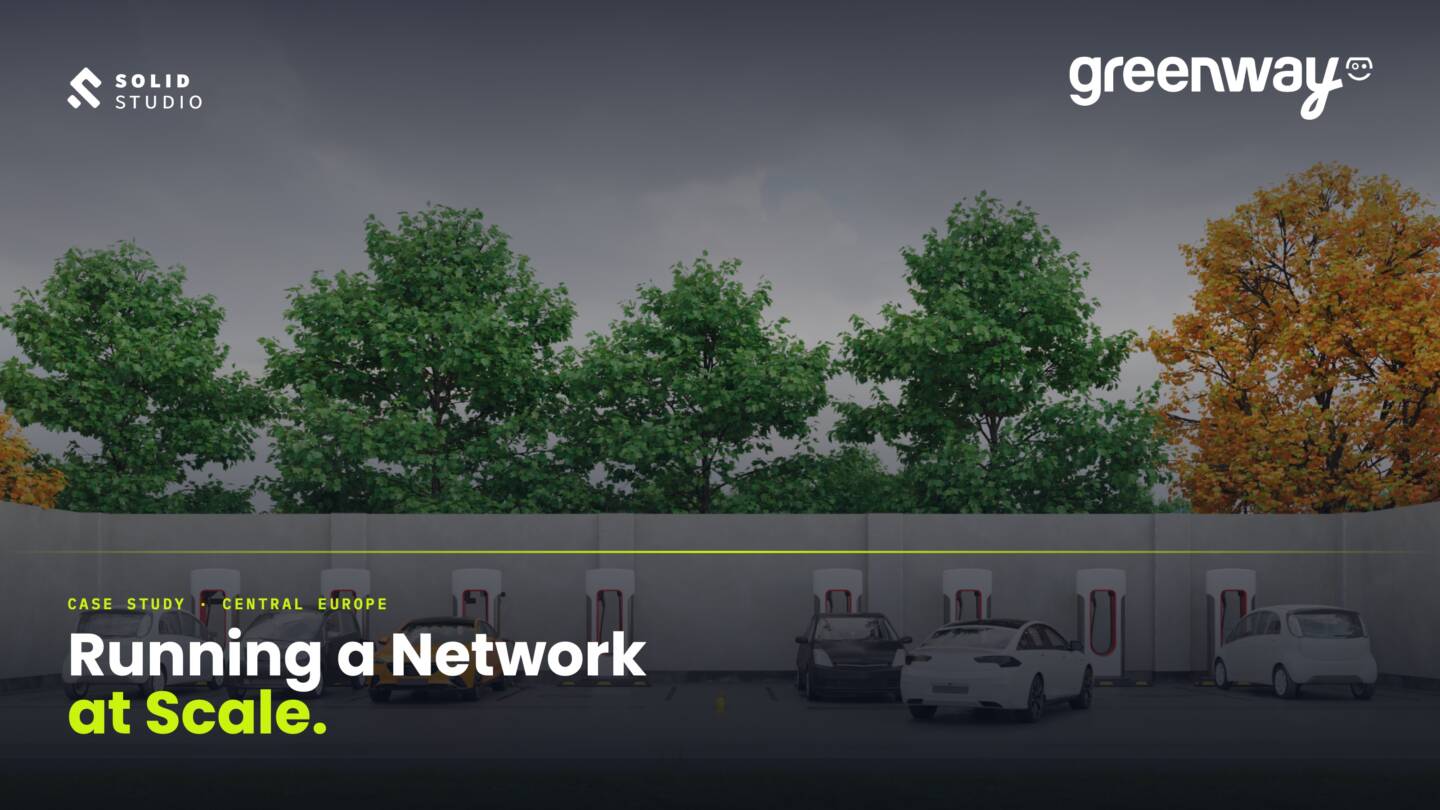
Comprehensive custom CPMS system and effective migration, seamlessly integrating with GreenWay’s existing digital ecosystem to future-proof their high-volume EV charging network across the CEE region.

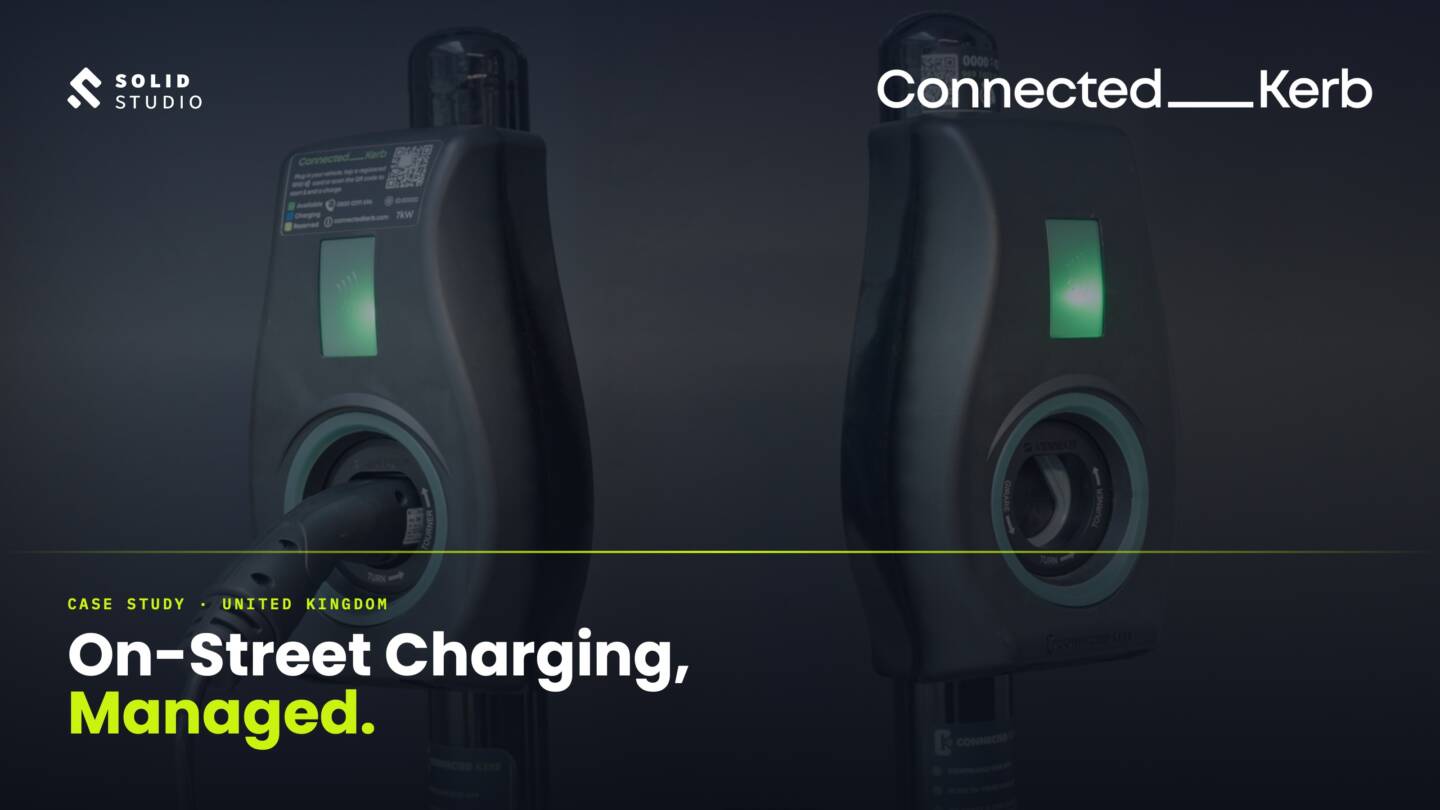
An advanced migration to our CPMS system backed by custom development and ongoing maintenance. Migration involved 9000 charging points. A particularly complex aspect was ensuring the integration of the current EMP system, including mobile app users and the OCPI partners already connected.