


Dedicated team of developers for e-mobility startup
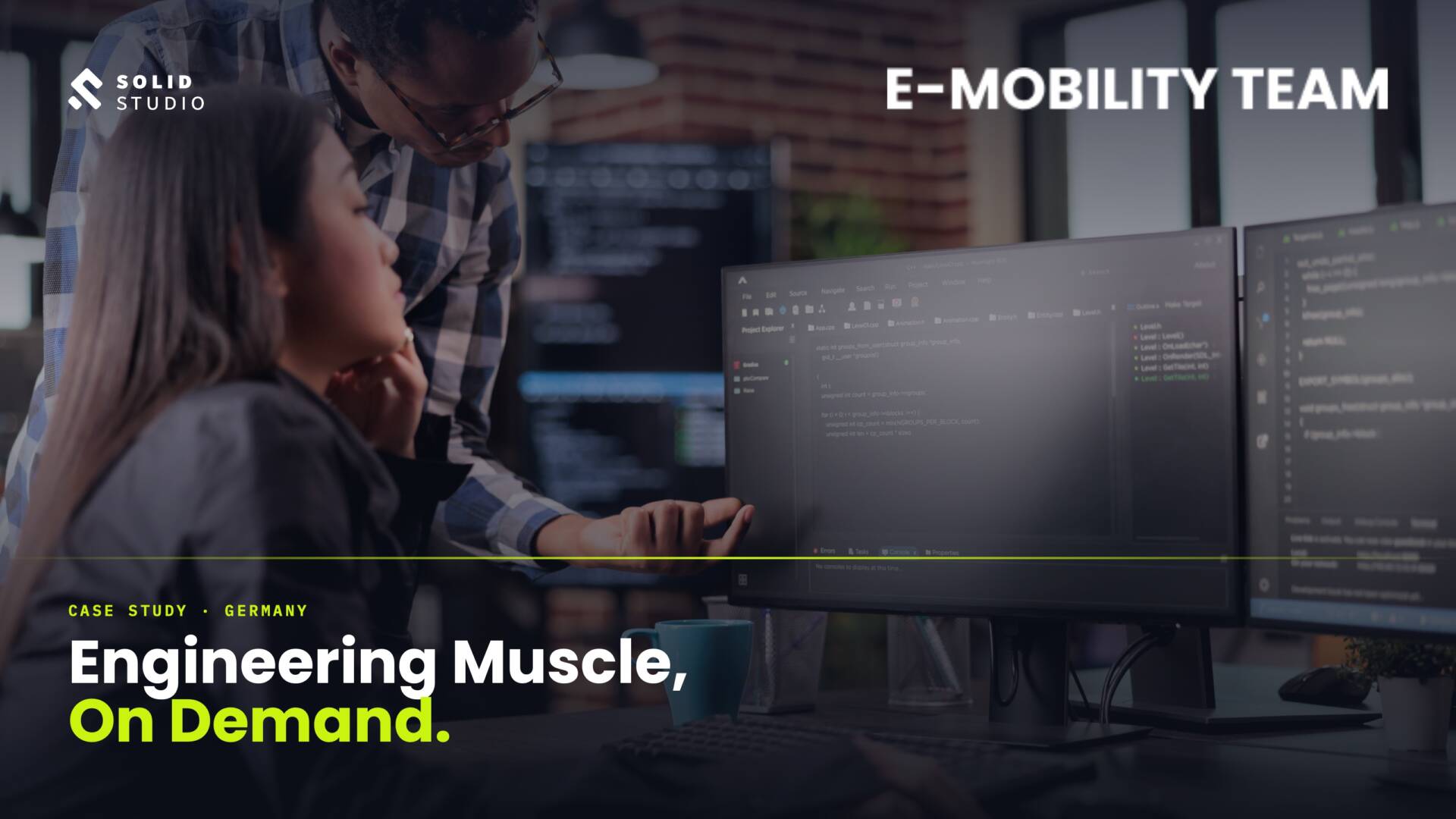
Our partner was building for the eMobility market and needed to expand an established engineering team working on an end-user charging platform, its Charge Point Operator backend and integration with the wider roaming ecosystem.
The requirement was not extra hands but specific expertise. Open standards work, OCPI and OICP implementation, Hubject certification and hub connectivity through Gireve all demand people who have done it before, and mistakes in this layer surface late and cost heavily. They were looking for developers who could take ownership of that area alongside their own team.

In a nutshell
A two-year engagement building out an end-user eMobility platform with open standards at its core. The work covered OCPI 2.1.2 and OICP integration with Hubject certification, peer-to-peer and Gireve hub roaming, EV charging and electrical network maintenance functionality, and the backend of a Charge Point Operator platform, delivered in Java and Spring Boot under agile and lean practices.
Challenges
Our partner needed highly skilled developers who could strengthen an existing team and support large-scale development in the eMobility market. Understanding what that market demands, we took on the integration of OCPI 2.1.1 and OICP and carried the work through Hubject’s certification process successfully.
Roaming was the next order of difficulty: connecting peer-to-peer with partners as well as through the Gireve hub, both managed over OCPI 2.1.1. Beyond the protocol work we took responsibility for the backend of the Charge Point Operator platform itself, alongside a system integrating with the British electricity market and custom APIs supporting the partner’s web portal.
Our approach
To see the full picture of how the eMobility market actually operates, we ran two workshops – one at the partner’s headquarters, one at our office. The findings shaped the workflow, and the partnership started deliberately small, with two developers joining the expansion effort.
Looking for the most efficient path, we chose open standards. Rather than assuming they would fit, we validated the decision on a simple use case first, proving both the benefit and the obstacles before committing. With that confirmed, the API was progressively enriched and exposed to new functionality, and the process ended in full e-roaming capability. As the partnership grew we reinforced the team at key moments with seven additional developers, two of them assigned to a separate two-month project. The two years closed with a knowledge-sharing space set up for future development.
From months of integration work to a few days
The clearest measure of what open standards delivered here is onboarding time. Once full e-roaming functionality was in place, connecting a new partner stopped being a project and became a routine task completed in a few days. That change compounds: every additional partner costs a fraction of what the first one did.
Outcomes

EWE Go, one of Germany’s leading e-mobility operators, partnered with Solidstudio to upgrade their infrastructure with a flexible, high-performing Charge Point Management System tailored for rapid public network expansion and future fleet management. Solidstudio delivered the core CPMS platform along with custom feature extensions, charge point migration and now holds ongoing support via SLA

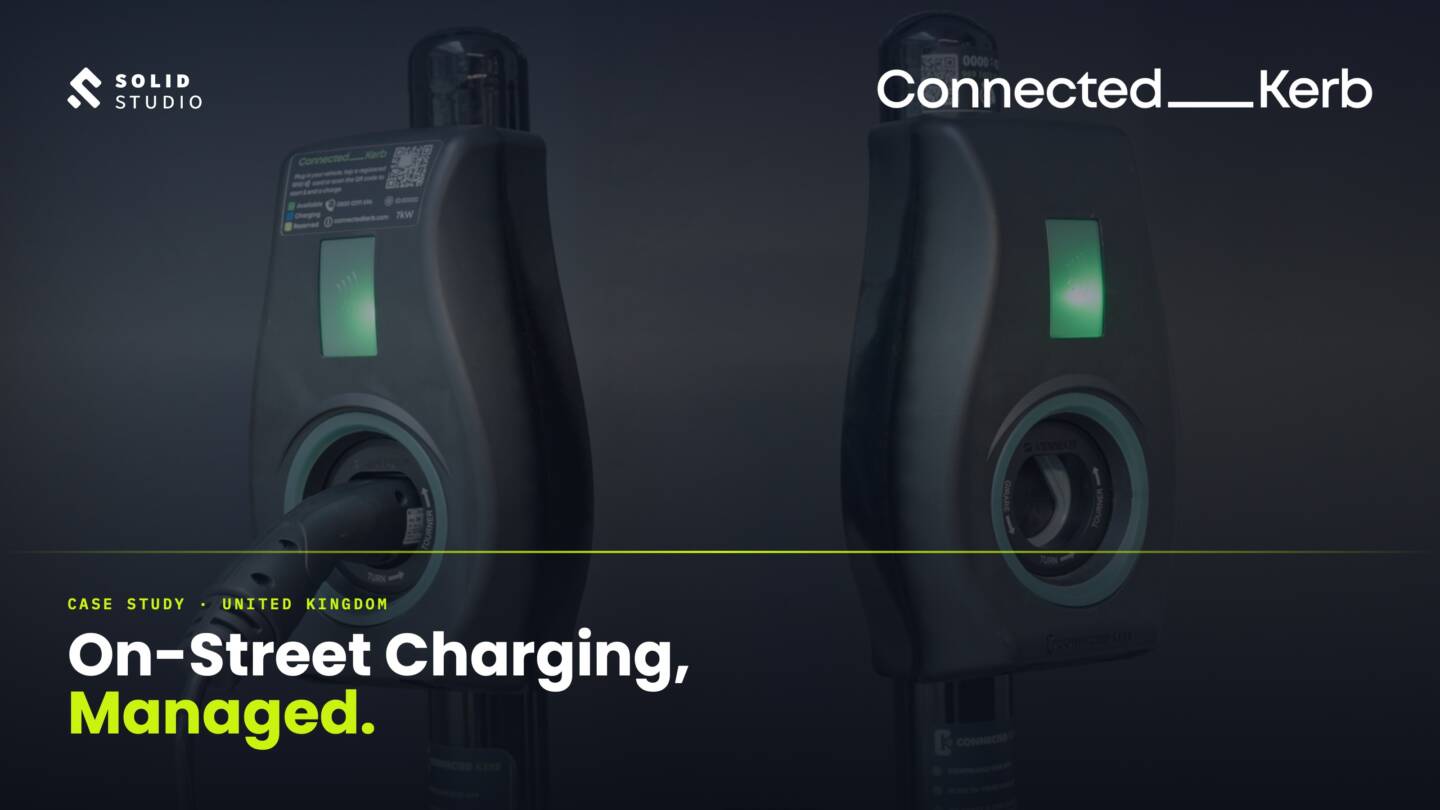
An advanced migration to our CPMS system backed by custom development and ongoing maintenance. Migration involved 9000 charging points. A particularly complex aspect was ensuring the integration of the current EMP system, including mobile app users and the OCPI partners already connected.

Comprehensive custom CPMS system and effective migration, seamlessly integrating with GreenWay’s existing digital ecosystem to future-proof their high-volume EV charging network across the CEE region.