

Web, iOS, and Android tech community platform development
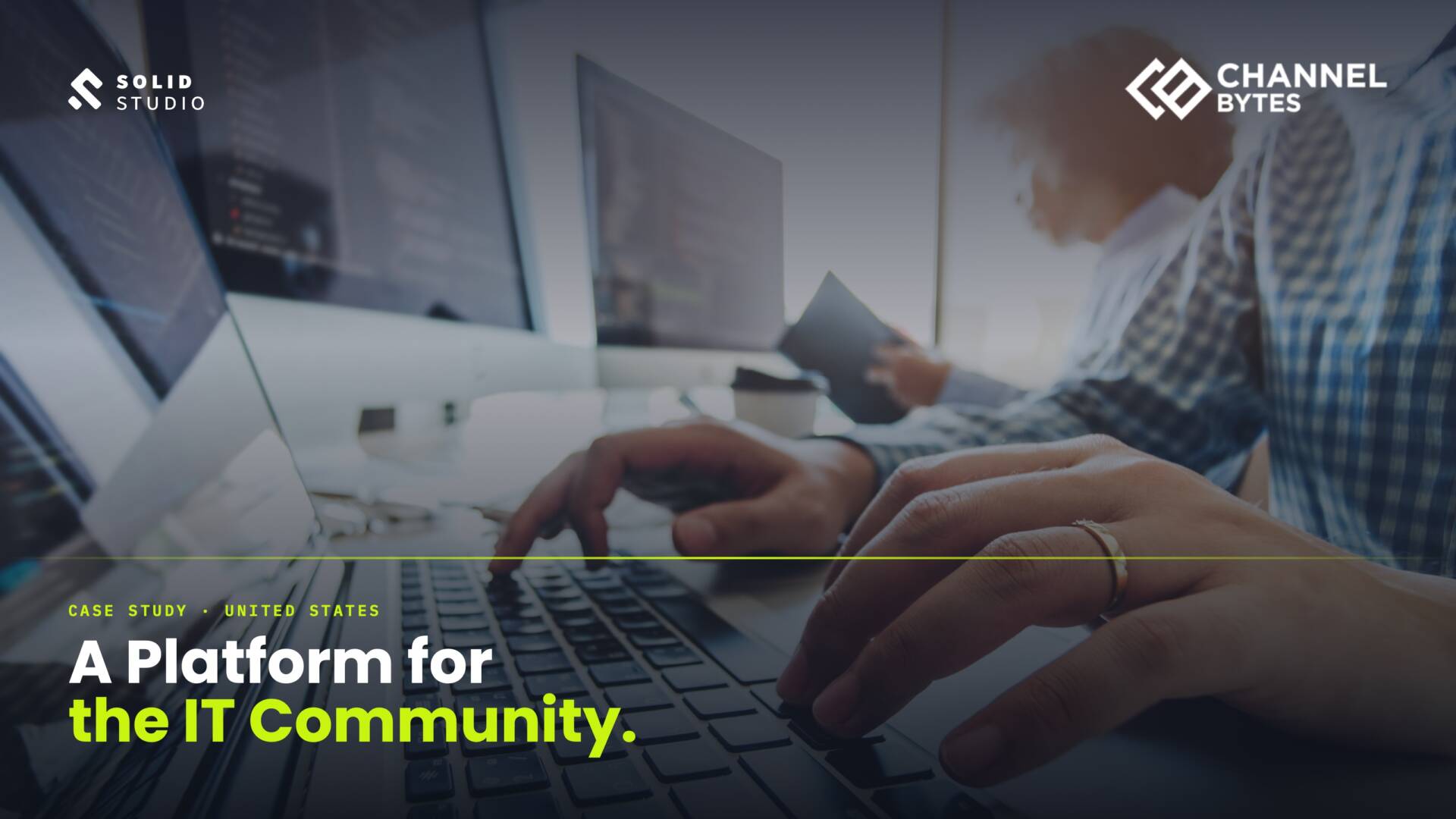
ChannelBytes runs a platform for the information technology community, a place for professionals to publish, discuss and discover technical content.
They arrived with an MVP that proved the concept but not the product. Some features needed rethinking rather than extending, the mobile experience required a rebuild, and the infrastructure was costing more than it should. Above all they needed the platform to make content creation genuinely convenient for an audience with exacting expectations, across web, iOS and Android at the same time.
In a nutshell
A tech community platform taken from an unfinished MVP to a complete product across web, iOS and Android. The work covered architecture optimisation, full-stack development and a rebuild of the mobile application, with infrastructure costs reduced along the way.
Challenges
Our partner was looking for engineers who could run a coherent development process across three platform versions at once. ChannelBytes already had an initial MVP, but it needed features reconsidered rather than simply extended.
The platform exists to connect people from the information technology community, and that audience arrives with highly specific expectations. Meeting them required redesigning interactions rather than adjusting screens. The central goal was letting users create content conveniently and efficiently, and as the project progressed further areas emerged that needed optimisation – both in usability and in what the infrastructure was costing to run.
Our approach
We began by building what the project was missing structurally: separate environments for development and user acceptance testing. With those in place we added functionality gradually – a user-friendly text editor, a comment section, polls and tagging – while trimming unnecessary infrastructure costs and upgrading the authentication mechanism to a more secure one.
Once the application structure was complete, attention moved to the main page. Previously it displayed posts added through headless WordPress, and the goal was for the application itself to become the only place content is created. The single page approach proved unsuitable for an effective landing page because search engines could not index it properly, so we implemented a different solution that let crawlers evaluate the whole page correctly. With that resolved, the application went live on the main channelbytes.com domain. In parallel we rebuilt the mobile application architecture, implementing new views, reworking navigation and improving several key features.
A UAT environment that changed the delivery rhythm
Creating the acceptance testing environment did more than add a deployment target. It kept our partner continuously up to date and made feedback fast and specific, which in turn let us deploy several times a week. Constant contact between the client and the development team, backed by that transparency, is what turned a rebuild into a steady stream of delivered functionality.
Outcomes
EWE Go, one of Germany’s leading e-mobility operators, partnered with Solidstudio to upgrade their infrastructure with a flexible, high-performing Charge Point Management System tailored for rapid public network expansion and future fleet management. Solidstudio delivered the core CPMS platform along with custom feature extensions, charge point migration and now holds ongoing support via SLA

Comprehensive custom CPMS system and effective migration, seamlessly integrating with GreenWay’s existing digital ecosystem to future-proof their high-volume EV charging network across the CEE region.

An advanced migration to our CPMS system backed by custom development and ongoing maintenance. Migration involved 9000 charging points. A particularly complex aspect was ensuring the integration of the current EMP system, including mobile app users and the OCPI partners already connected.